As a society, we unleashed invasive species on the environment. Now, we must take responsibility for the devastation they’ve caused.
Photo credit: Luke Woodford
Since colonisation, around 100 Australian native plants and animals have been wiped out forever – most largely due to invasive species. Introduced animals, plants and diseases, from foxes and feral cats to deer, chytrid fungus and buffel grass, are pushing many more toward extinction.
Without urgent action, invasive species will continue to harm Victoria’s wildlife, farms, and communities.
Before colonisation, the plants and animals of what we now call Victoria evolved in relative isolation over tens of thousands of years. Landscapes, wildlife and fire were shaped and cared for First Peoples, creating a rich and balanced environment.
But when Europeans arrived, they brought a host of non-native species with them – sometimes deliberately, sometimes accidentally. Rabbits, deer and foxes were released for hunting and sport, and plants were introduced for farming, gardening and erosion control. With no natural predators or diseases to keep them in check, many of these invasives exploded across the landscape.
By the late 1800s, several introduced species had spread across Victoria. Rabbits stripped vegetation and damaged farmland, while foxes and feral cats preyed on small native animals. Weeds spread along roads, rivers and cleared land, pushing out native plants.
Today, invasive species are the leading driver of Australia’s extinction crisis and continue to harm Victoria’s wildlife, farms and waterways.
Victoria is facing a feral deer crisis. Deer numbers are exploding and spreading across farms, forests and towns – damaging landscapes, pushing species to the brink and endangering drivers on roads.
A handful of deer released for hunting more than a century ago have proliferated into one of the fastest-growing invasive species problems in Australia. Today, Victoria has the largest feral deer population in the country.
Feral deer trash, trample, and pollute our forests and waterways, impact the livelihoods of farmers and cause danger on our roads. Across Australia, deer are responsible for thousands of road accidents each year as their populations spread into regional and peri-urban areas. They degrade culturally significant landscapes, impacting First Nations connections to Country.
Despite the damage feral deer cause, they are still legally protected under Victoria’s Wildlife Act – making it harder to control their numbers. At the same time, funding for invasive species management remains a tiny share of the state budget, with further cuts possible.
Without proper, coordinated action, deer populations will continue to grow – increasing the damage to the places Victorians love and the unique wildlife found nowhere else on Earth.
Feral deer in Alpine National Park. Credit: Dan Brown

The science on invasive species is clear: if we want to protect nature, we need sustained investment, coordinated action and people on the ground doing the work.
With the feral deer population now estimated at up to one million, Victoria is facing an invasive species emergency that requires immediate action.
That’s why Environment Victoria has joined an unlikely alliance of farmers, conservation groups and community leaders calling on the Victorian government to urgently fund coordinated professional control of feral deer across the state.
No one likes to see animals killed, but the sad reality is that we have a choice to make between urgently reducing invasive species or accepting the destruction of our environment and the extinction of native animals.
Victorians from all walks of life want our government to do better on managing invasive species – for our unique wildlife and landscapes, for culture and for communities.
New polling shows just 13 per cent of Victorians believe the state government is doing enough, with reports of growing feral deer, rabbit and weed infestations across the state.
What do you think? Please let us know in our survey on invasive species.
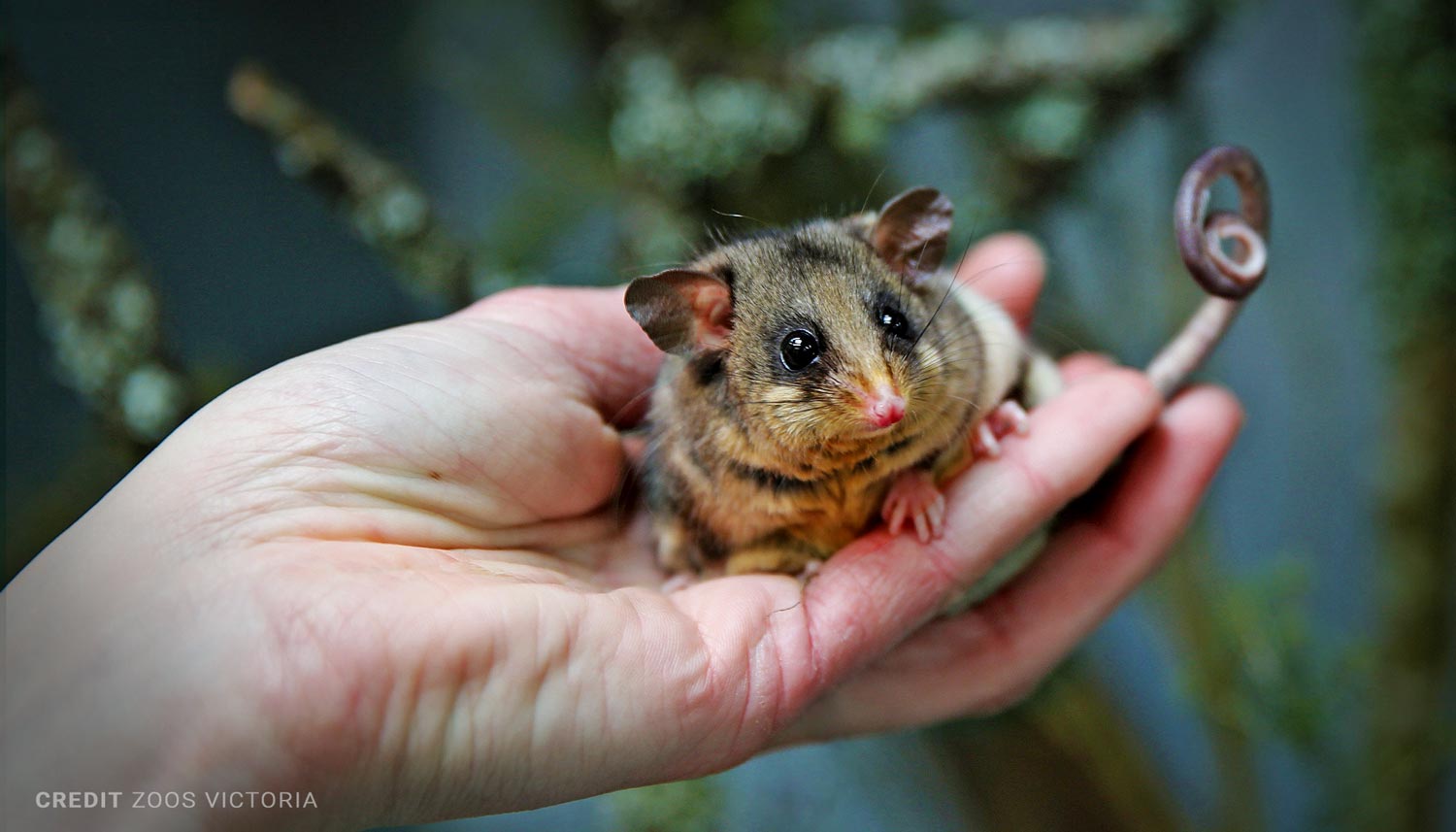
The Mountain Pygmy Possum is one of roughly 2000 native Victorian animals threatened by invasive species.