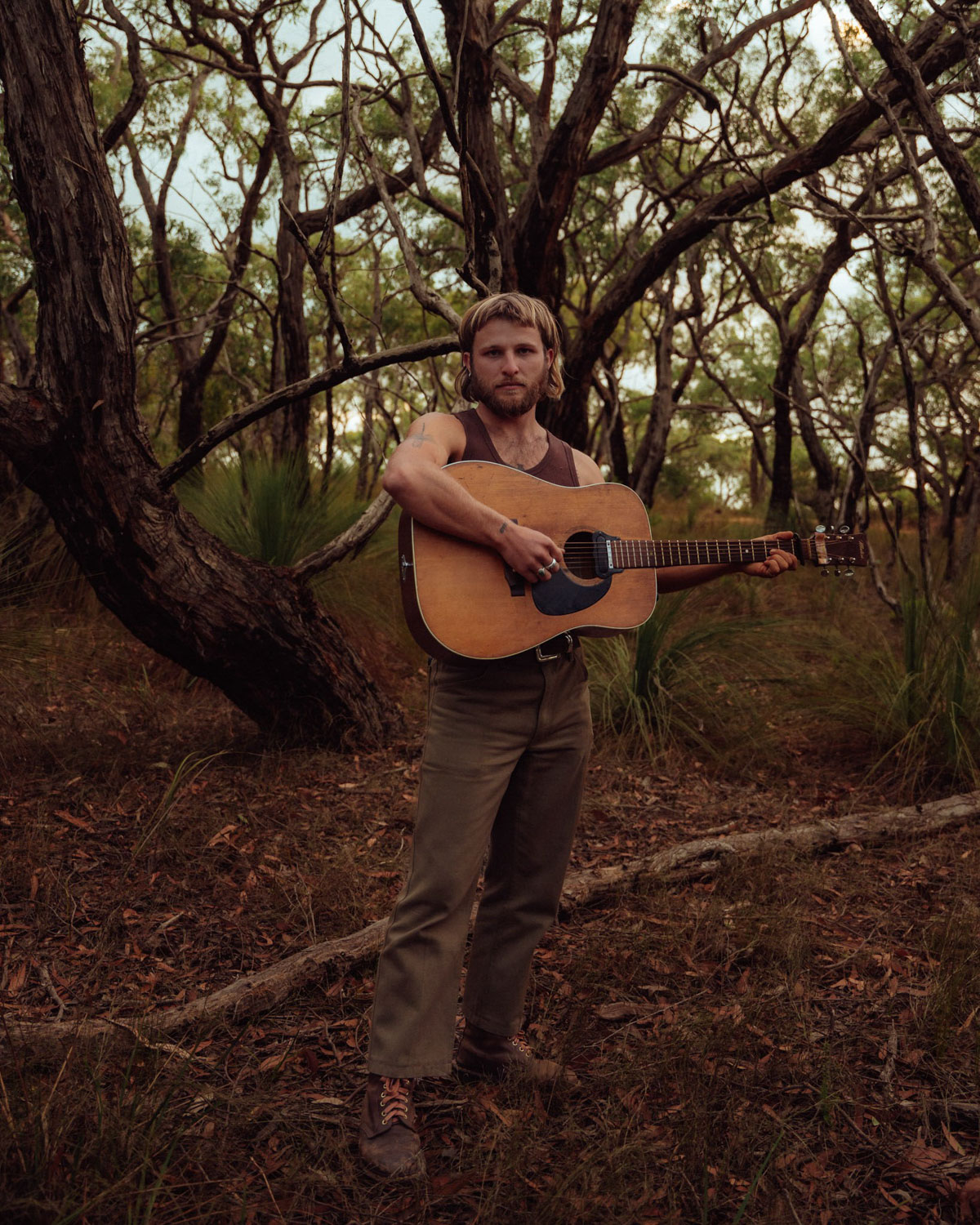
Dan Hercott grew up on a farm north of Bendigo, a part of Victoria he describes as very flat, big sky granite seam country. He has fond memories of going camping with his family from a young age. The bush became his “safe space” where he learned to love the language of birds.
“I was a pretty introverted kid. I spent a lot of time just immersed in the world of birds, chasing birds around and just getting lost and going wandering. In terms of eco literacy and the way that we listen and interpret the world around us, it’s really present in my life.”
His interaction with birds provided a counterpoint to deep feelings of being “confronted by some really soulful questions of what impact do I want to have in the world”, he says, with the knowledge that farming and food systems are among the worst polluters in the world.
Dan says growing up so far away from the beach, the trips his family would take to a place called Bemm River near Mallacoota remain a source of nostalgia. “I remember particular birds like the Silver Eye that have become symbolic for me of a kind of a wonder and enjoyment and longing to be by the ocean.”
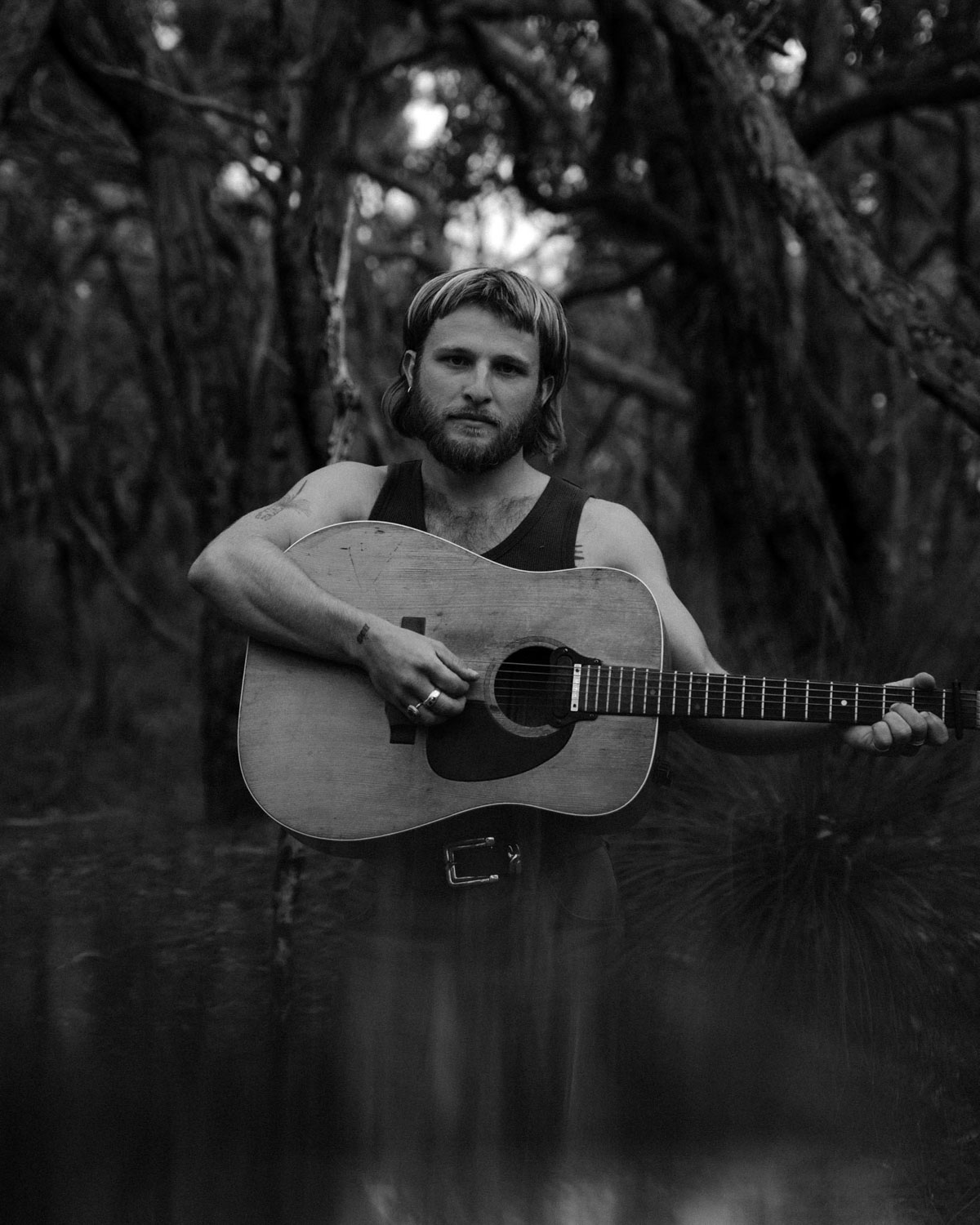
Dan says he is also something of an outlier in his family for his passion for music, which has been in his life since he was 8-years old and started learning drums at school. “I had a drum teacher at school. Yeah, that’s where it started and then just kind of got the bug and learnt the ukulele and guitar. I started singing before school and went from there.”
“I have pretty strong memories of making a pact with myself that if I were to pursue music as a lifestyle and a livelihood, it would be deeply entangled with environmental preservation and sharing that message and that story. And directly entangled with that is I suppose sharing an awareness of how respect and knowledge of Indigenous culture and place underpins that.”
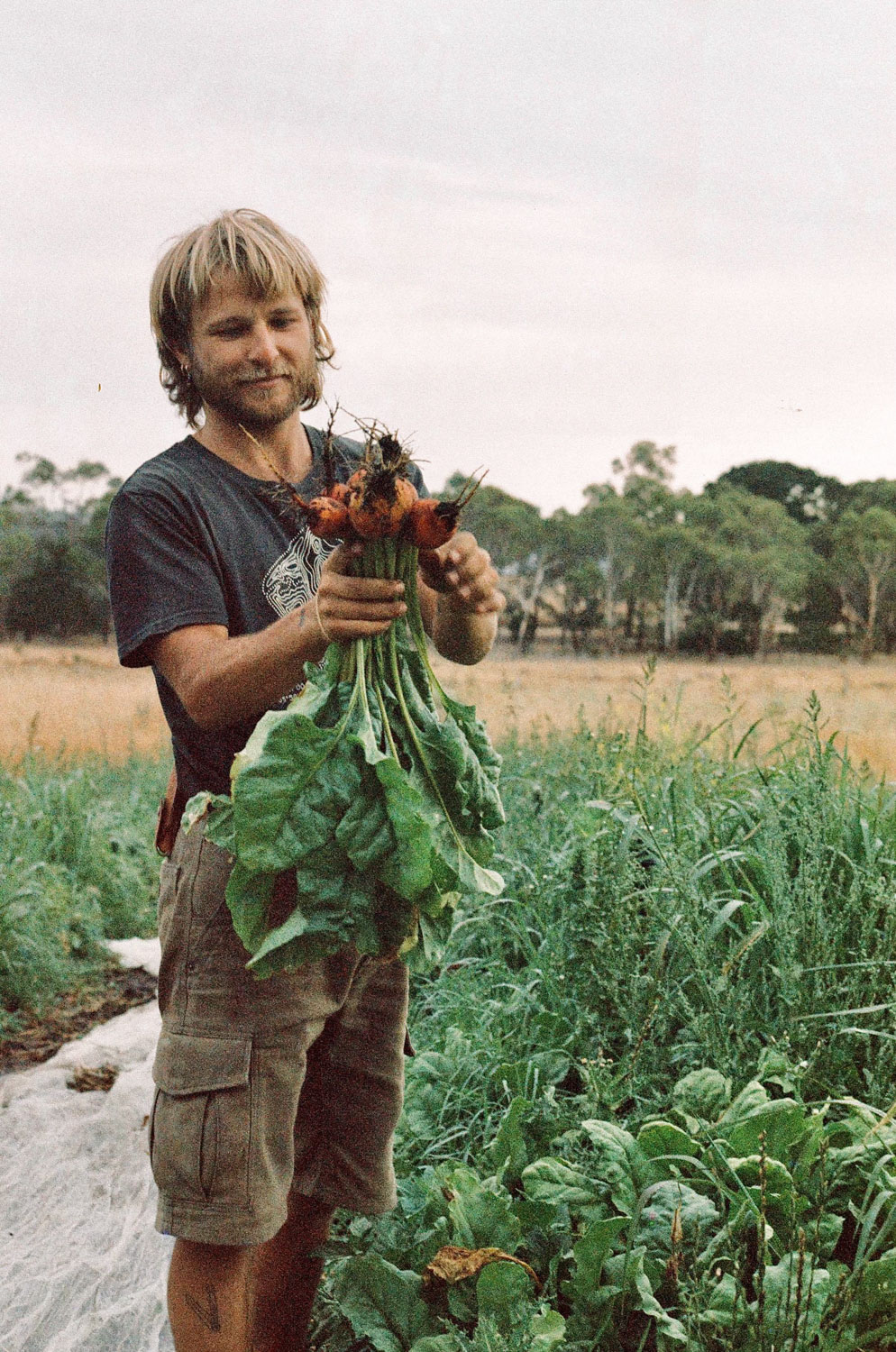
As soon as he came of age as an independent adult, Dan relocated himself close to the beach in Anglesea, where he has been able to bring together his multiple passions for music, activism, bird watching and nature. He also works as a native gardener in regenerative agriculture.
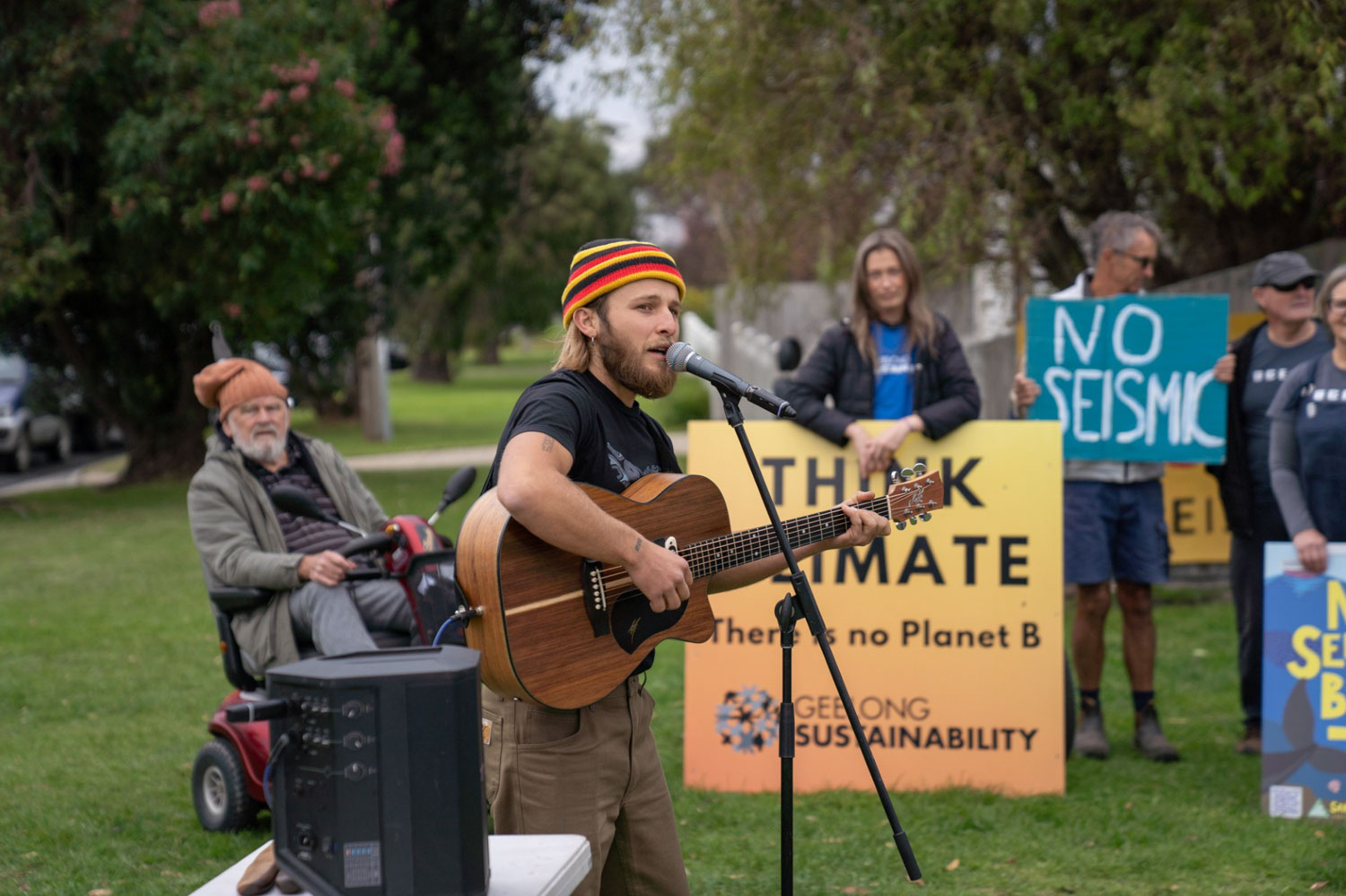
Since making the move to Anglesea, Dan has gotten involved in the local campaign against seismic blasting, bringing his own musical capacity to campaigning at community events. “For me, arts and land symbolise a sense of belonging and community that’s present in any old culture. I try to learn from First Nations because as Second Nations people, how do we move forward knowing that we are living on stolen land and displaced from our own ancestral homelands?”
He says he recognises his own ‘community’ as going beyond just an anthropogenic one. “My community isn’t just a human community. Yes, my direct community is the regenerative agricultural community, the musical community, the surfing community and the politically active community. That’s my people. But beyond that, the birds of this region are part of the way that I relate to the world as well and part of my community.”
He recounts a recent story of having observed a Pacific Koel in Anglesea, despite it being a bird that normally migrates between Pacific Islands and to the East Coast of NSW. “The furthest south I’ve ever seen them was in southern New South Wales or maybe Mallacoota. But then I heard one here in my hometown of Anglesea.”
“This Pacific bird, I really love their call, and their call has a really significant place in my heart, associated with a lot of really beautiful memories. It was a really discombobulating and symbolic moment for me. Something tangible and palpable in the light of a changing climate and changing environment and the impact of humans on the earth.”
From growing up in a farming community, to becoming enamoured with birdlife and the natural world, to finding meaning through music, activism and regenerative agriculture – Dan says his move to the coastal town of Anglesea has helped him start to connect the dots.
“Regenerative agriculture is a form of activism for me, because everything about the capitalist political system that we live in doesn’t want my form of work to exist. It’s grassroots and it’s localized and its community based. It’s hard work, but it’s very rewarding.”
“My music and activism have been really inspired by learning from First Nations people and stories. That’s a really volatile conversation in a colonial setting because there’s so much shame and suppression of identity and heritage. It’s the old adage – to know where you’re going, you must know where you’ve come from.”