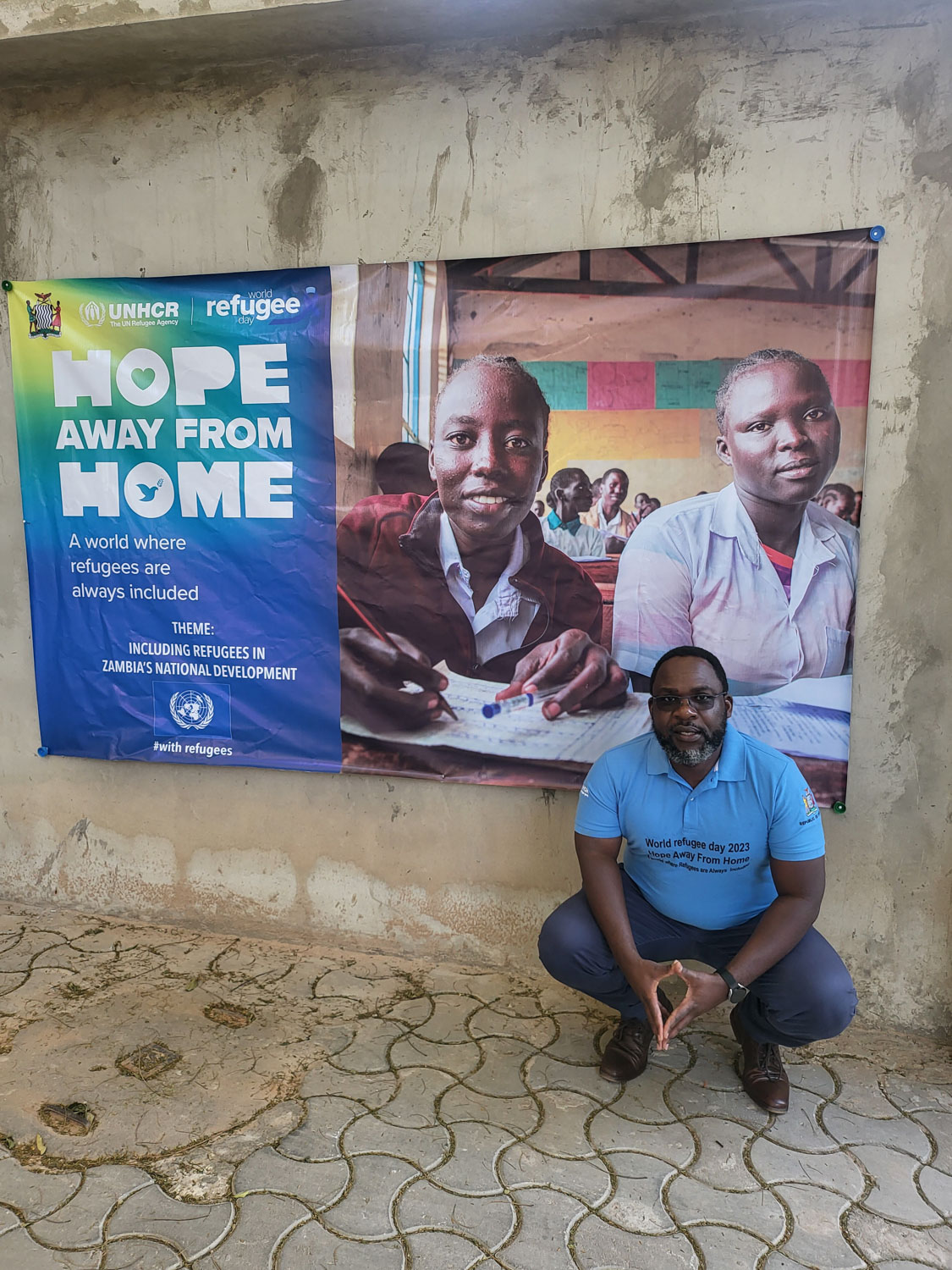
When Joseph Hwani was a child living on a farm in the Midlands province of Zimbabwe, it was normal to run into elephants and lions on his way to school in the morning. “We were not afraid because we were taught they were just animals and that you don’t run away from them or look scared. We never had any casualties.”
His family depended on local indigenous fruits and vegetables for their nutrition. “We would never overharvest, but do it in a way that would ensure there was going to be enough for next year’s harvest.”
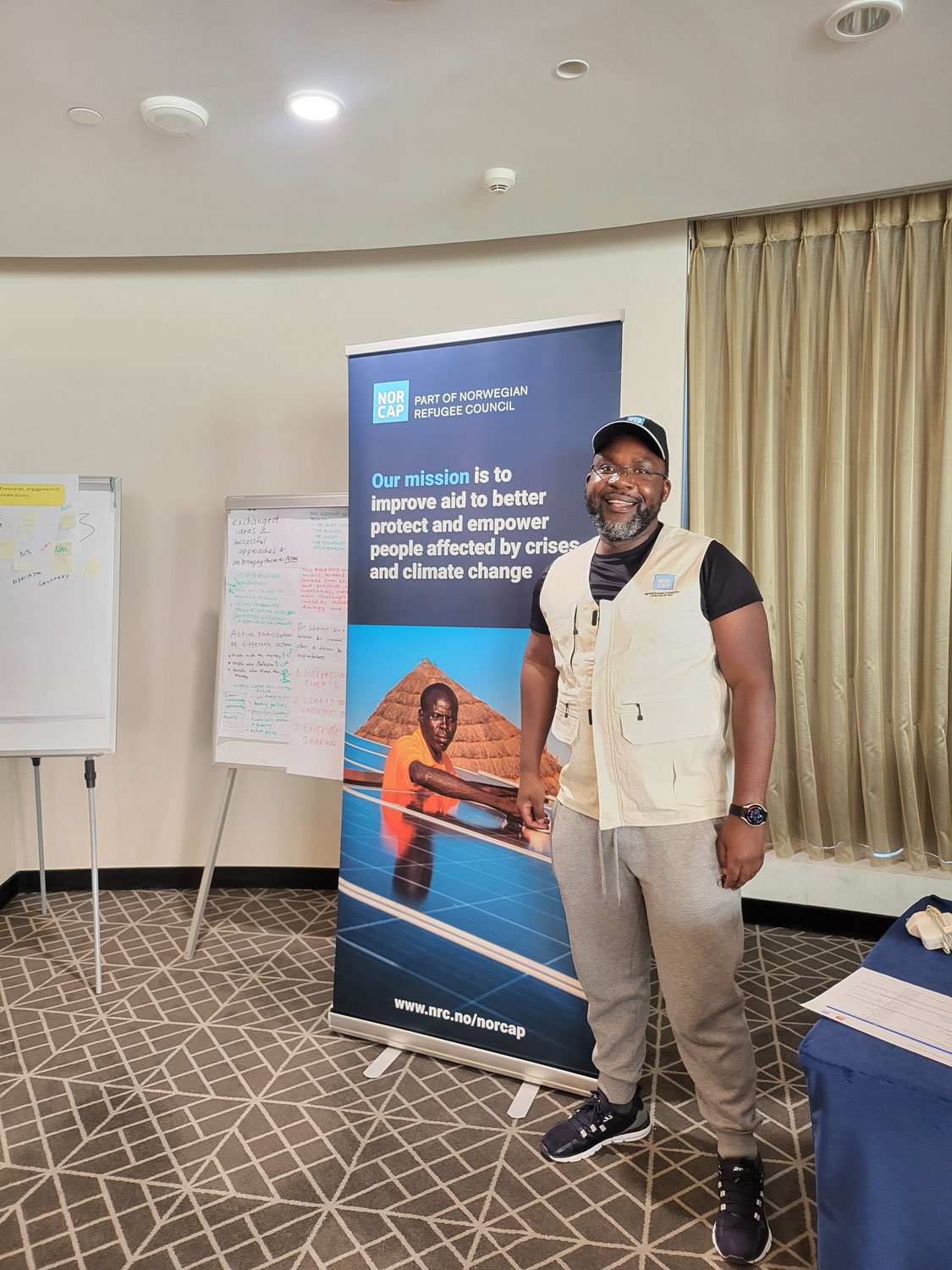
These experiences of living in harmony with nature have stuck with Hwani and guided his life as an environmental consultant, including leading renewable energy projects with the UNHCR bringing clean energy to remote communities in Southern Africa.
As the first in his family to go to university, Hwani studied physics and mathematics and was introduced to technology like computers as a teenager. He became passionate about climate change after he realised his family’s assumptions that changing climatic conditions that resulted in continuous poor crops were because of ancestors being angry were incorrect.
“I just realized that, no, it’s nothing to do with that. It’s just climate change, you know, because back home when rains don’t come and as expected like now because of climate change impacting weather patterns. It’s still hard for them to understand that.”
In 2017 Zimbabwe experienced an economic meltdown that made local money valueless because inflation was so high. “I was working for an international NGO earning in US dollars. But I became really worried about my kids, because I wasn’t seeing a future for them in Zimbabwe.”
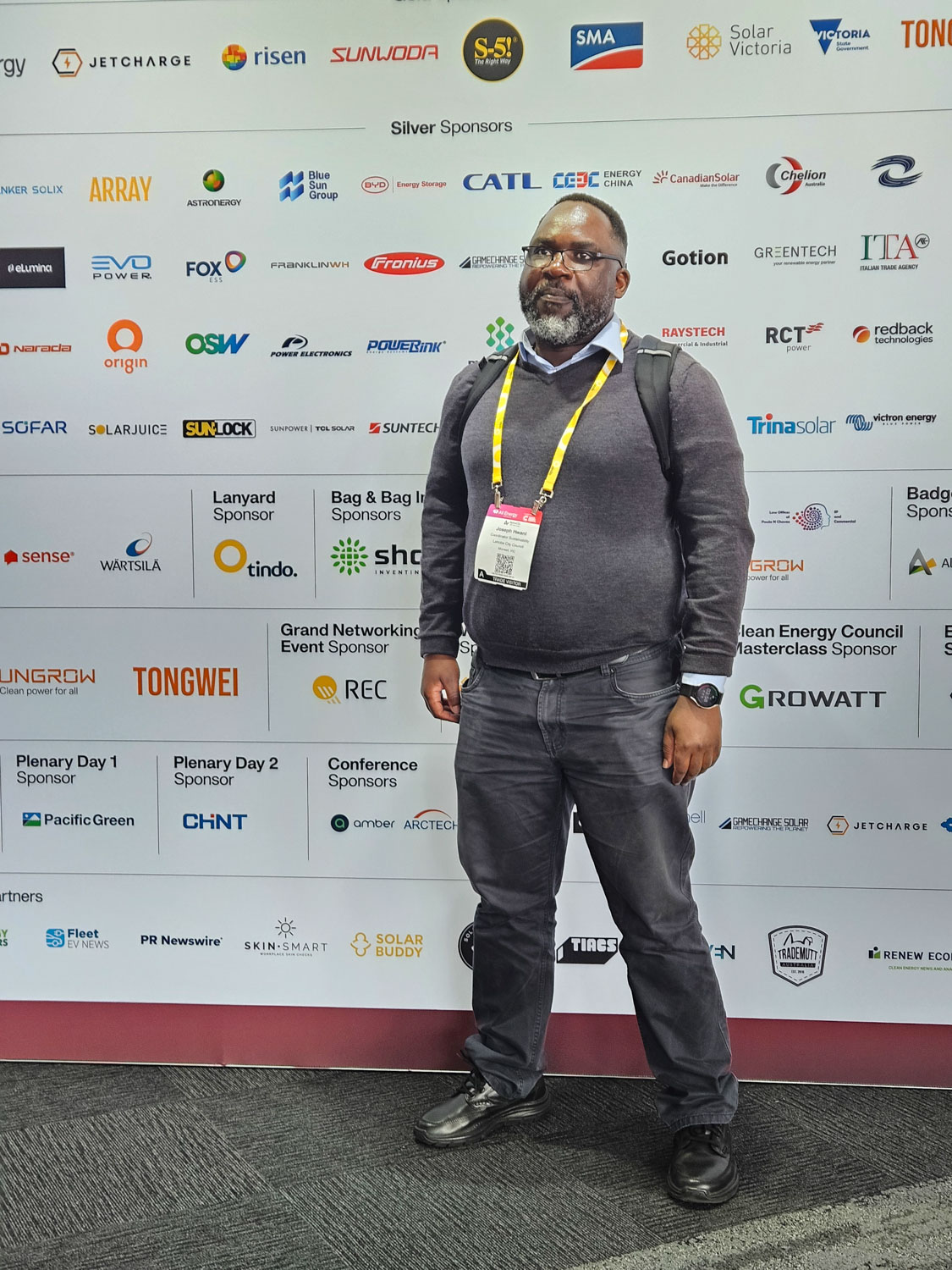
Hwani says he considered Canada and New Zealand before settling on Australia because of the opportunities in the renewable energy and climate sectors. He eventually got his Australian visa in 2017 and moved his family to the Latrobe Valley in 2018, where he currently works for the Latrobe Valley City Council.
While he misses the opportunities to get out into ‘deep green’ forests of Zimbabwe, his work has frequently taken him back to Africa. In 2019 Hwani was invited to Geneva to help develop a sustainable energy strategy for the UNHCR rolling out sustainable energy strategies in refugee settlements in Southern Africa replacing diesel generators with solar.
“After Geneva I moved to Zambia supporting projects in Zambia, Zimbabwe, Malawi and Congo, where they experienced frequent emergency responses. I remember doing our first projects bringing solar powered mini grids to power the schools.”
Hwani says the work was challenging but deeply satisfying seeing the impacts of bringing power infrastructure to people for the first time, meaning they could refrigerate water or start their own income generating businesses. “I remember one project where they were pressing sunflower seeds into oil and then selling it locally.”
“I’ve since talked to people who are feeling the longer-term impacts – like kids going to a school I helped electrify. Some of them now are doctors and engineers. So those stories give me energy to keep going, even though it’s been hard on my family to be away for long periods.”
Now back in Australia and living South East of Melbourne, Hwani takes his daily walks in local parks and enjoys the local birdlife but still misses the wild nature of his homeland. “I miss that connection at home where you would really go into the thick forest, enjoy the greens, natural fruits we grew up eating, which I can’t find here. So that’s the missing part.”
He is also disturbed that coal fired power stations are still operating in his local area. “We still have some few coal power stations up and running here. Sometimes the atmosphere here gets really dark and polluted, and I feel that what I’m breathing here is not okay.”
Living between two words but keeping his focus on renewable energy, Hwani is a firm believer that change starts with each person and is the only constant. “You need to be doing something positive every day. If it doesn’t work, just know that you need to sit down again and find another way to do it. Even one step is progress. We just have to do something worthwhile.”